
From the big screen to the big shift: How we turned a hit film into a cognitive curriculum
Edovo partnered with Critical Thinking executive producer Carla Berkowitz to transform the hit film into a cognitive behavioral course that teaches incarcerated learners how to regulate emotions and make better decisions using accessible neuroscience and chess-inspired strategies. By blending emotional intelligence with critical thinking through practical tools, metaphors, and daily practice, the course helps learners interrupt impulsive patterns and build lasting self-awareness. Ultimately, it reframes intelligence and agency, showing that while circumstances shape the board, thoughtful decision-making determines the outcome.
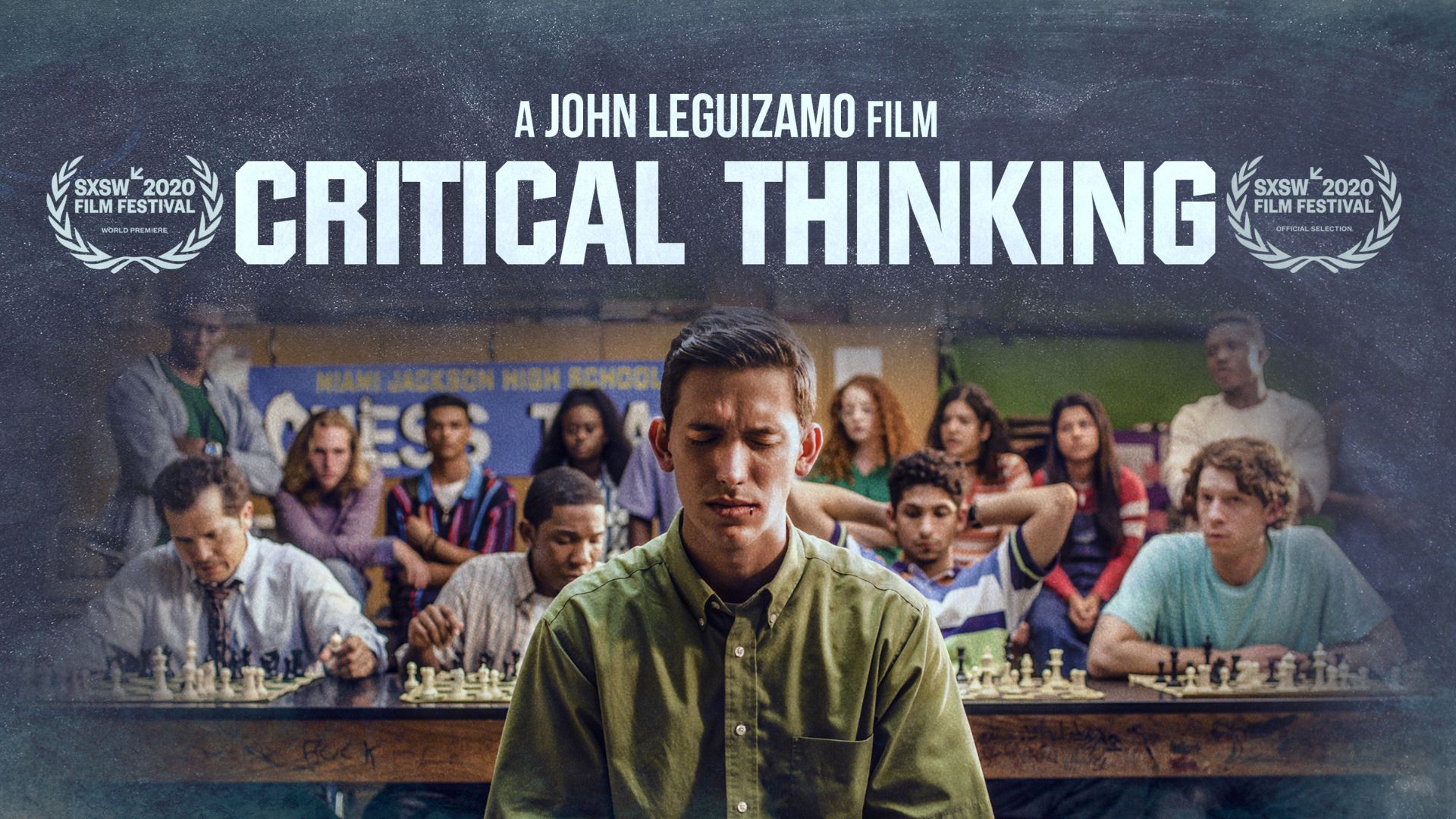
Movies inspire us. But can they actually help retrain our brains?
At Edovo, we believe the answer is yes, but only if the story is paired with the right tools. That is the driving force behind our latest exclusive course, Critical Thinking, developed in partnership with Carla Berkowitz, the Executive Producer of the hit film Critical Thinking.
While the film (directed by and starring John Leguizamo) tells the incredible true story of the Miami Jackson High School chess team, the course goes much deeper. It turns their journey into a comprehensive cognitive behavioral curriculum designed to teach incarcerated learners the science of decision-making.
The Producer’s Vision: Shattering the Myth
Carla Berkowitz spent over 20 years bringing this story to the screen because she wanted to shatter the "Bell Curve" myth, the idea that intelligence is defined by demographics.
When Berkowitz partnered with Edovo, she had a clear goal: she didn’t want the film to just be watched; she wanted it to be used. By collaborating directly with our instructional design team, she ensured that the course didn't just tell students that they could change their lives; it showed them exactly how to do it.
More Than Just a Movie: A Curriculum for the Mind
Together, we designed a learning experience that disrupts the cycle of impulsive reaction and builds the mental muscles for emotional regulation and better decision-making.
Using the chess-inspired framework 'Pause, See the Board, Make a Move,' we guide learners to slow down, analyze high-stakes situations, and challenge their assumptions before taking action. By translating abstract concepts into practical application, we ensure these skills work where they matter most: in real life.
Here is a look inside the course and the skills it teaches.
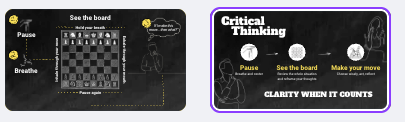
The Science Behind the Story: Blending Logic with Emotion
Critical Thinking (logic) and Emotional Intelligence (self-regulation) are inseparable partners in this course. EI allows learners to spot the emotional biases that cloud judgment, while Critical Thinking provides the framework to analyze them constructively.
Together, they create the self-awareness needed to navigate complex situations without losing control.
Inside the Curriculum: How We Build the Skillset
To turn this high-level concept into practical skills, the course is broken down into four actionable pillars.
1. Accessible Neuroscience: The "Shot Caller" vs. The "Loudmouth"
To teach self-regulation, we move away from clinical jargon and use relatable metaphors that stick.
- We frame the Amygdala (the fight-or-flight center) as the "Loudmouth," the reactive voice that screams about danger and demands instant action.
- We frame the Prefrontal Cortex (executive function) as the "Shot Caller," not because it’s about toughness or control over others, but because this is the strategic, decision-making part of the brain.
The Application: Learners practice identifying the physical signs of a "Loudmouth Hijack" (racing heart, heat, tension) and use evidence-based techniques to get their "Shot Caller" back in the driver’s seat.

2. Dismantling Cognitive Traps
Once the brain is regulated, Critical Thinking can begin. The course uses the film’s high-stakes chess matches to teach learners how to spot the mental errors, or "traps," that can cause poor decision-making.
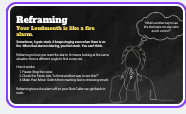
- Negativity Bias (The Filter): Identifying how the brain naturally ignores positive options to fixate on threats, and learning to "reframe" to see the whole board.
- Confirmation Bias (The Wall): Recognizing when we block out facts just because they don't fit our current story.
- Attribution Bias (The Blame Game): Catching the tendency to blame people instead of situations, a critical skill for de-escalating conflict.
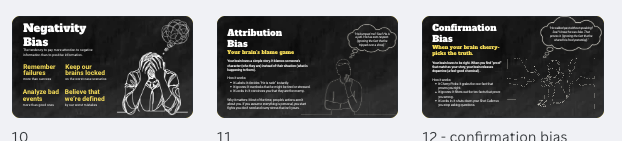
3. Practical Tools: The "Power Moves"
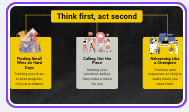
Theory isn't enough; learners need reps. We provide actionable "Power Moves" that combine mindfulness with analysis to keep the thinking brain in charge.
- The Pause: A breathing technique that buys the crucial seconds between a trigger and a reaction.
- HALT: A diagnostic tool to recognize when Hunger, Anger, Loneliness, or Tiredness may be compromising judgment.
- Mental Reps: Leveraging neuroplasticity to "rehearse" calm, strategic responses to high-stress situations before they happen.
4. Consistent Practice: The Critical Thinking Log & Shot Caller Check-In
Skills fade without practice. To ensure these strategies stick long after the film ends, the course integrates structured reflection tools that turn every day into a training ground.
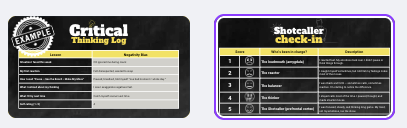
- The Critical Thinking Log: You can't fix a mistake you don't see. This tool turns daily interactions into a feedback loop for growth. By physically writing down triggers and responses, learners build the vital skill of metacognition, thinking about their thinking, which is the only way to rewire impulsive behaviors.
- The Shot Caller Check-In: You can’t think critically if you are emotionally hijacked. This tool serves as the vital bridge between Emotional Intelligence and Critical Thinking. By asking, "Who is driving right now?" learners practice the essential EQ skill of identifying their emotional state in real-time. This awareness creates the necessary "circuit break" that allows the Shot Caller (logic) to come back online.
Why It Works
This course does something rare: It holds up a mirror to the learner and reveals their own brilliance. By connecting the neuroscience of the "Shot Caller" to the visceral reality of the film, we aren't just teaching a skill; we are awakening a new identity.
The lesson from the Miami Jackson team is clear: Your circumstances might set the board, but they do not determine the outcome. This course gives every learner the strategy, discipline, and awareness that the most powerful move they can make is the one they think through first.
The course is now exclusively available on the Edovo platform.